
Tobi Pants: The Japanese Workwear Silhouette You Never Knew Would Inspire Modern Asian Fashion

As more people search for Japanese-inspired clothing in Singapore, modern Asian fashion, and silhouettes beyond Western slim-fit tailoring, one shape is quietly resurfacing:
Tobi pants.
 Originally worn by Japanese construction workers, this dramatic wide-leg silhouette is now influencing contemporary Asian design, gender-neutral fashion, and tropical urban dressing across Singapore and beyond.
To understand why Tobi pants resonate today, we need to return to their origins.
What Are Tobi Pants?
 Tobi pants (鳶ズボン) were traditionally worn by tobi shokunin — Japanese construction specialists who worked at heights on scaffolding and wooden structures.
Their defining features include:
-
Exaggerated, voluminous legs
-
Tapered ankle cuffs
-
High-waisted structure
-
Deep pleats and architectural drape
-
Designed mobility
The silhouette wasn’t aesthetic experimentation.
It was functional design.

The wide cut allowed airflow and freedom of movement. The tapered hem prevented excess fabric from interfering while climbing. Some even say the dramatic volume helped workers sense wind direction at height, as the fabric shifted in Japan’s strong gusts.
Form followed function — long before fashion rediscovered it.
From Japanese Workwear to Global Fashion Influence

Interestingly, early variations of Tobi pants were likely influenced by British knickerbockers introduced during Japan’s Meiji-era modernisation.
Knickerbockers — loose trousers gathered at the knee — were worn by European labourers and mountaineers for mobility.
But Japan didn’t simply copy the silhouette.

It amplified the volume.
Lowered the taper toward the ankle.
Adapted the cut to wooden scaffolding systems and height-based construction work.
What began as Western utilitarian form evolved into something distinctly Japanese in proportion and philosophy.
Silhouettes travel.
Cultures refine them.
The Tabi Parallel: When Japanese Utility Became Luxury

Construction workers traditionally paired Tobi pants with split-toe tabi shoes for grip and balance.
In 1988, Maison Margiela introduced the Tabi boot, recontextualising Japanese workwear into avant-garde luxury fashion.

What was once pure utility became high fashion.
The lesson?
Eastern functional design has always carried aesthetic power. It simply needed the right cultural moment to be seen.
Today, Tobi pants are having that moment within the rise of modern Asian fashion.
When Fashion Asked the Body to Shrink
For decades, Western tailoring defined what “modern” meant:
-
Slim silhouettes
-
Cinched waists
-
Structured suiting
-
Body-contouring denim

From corsets to skinny jeans, the message was consistent:
Fit into the clothes.
Discipline the body.
Control the silhouette.
 The garment dictated the body.
In contrast, traditional Japanese garments — kimono, hakama, and Tobi pants — were constructed to:
-
Allow movement
-
Create spatial balance
-
Flow with the body
-
Adapt through layering
The garment adjusted to the human form.

Volume wasn’t about hiding.
It was about mobility.
Structure wasn’t compression.
It was proportion.
Perhaps this is why Japanese-inspired silhouettes feel refreshing in Singapore today — especially as more consumers look for gender-neutral fashion, tropical-friendly clothing, and contemporary Asian design perspectives.
In fashion, space is power.
How I First Fell in Love with the Tobi Silhouette
I first encountered tobi pants while living in Japan.
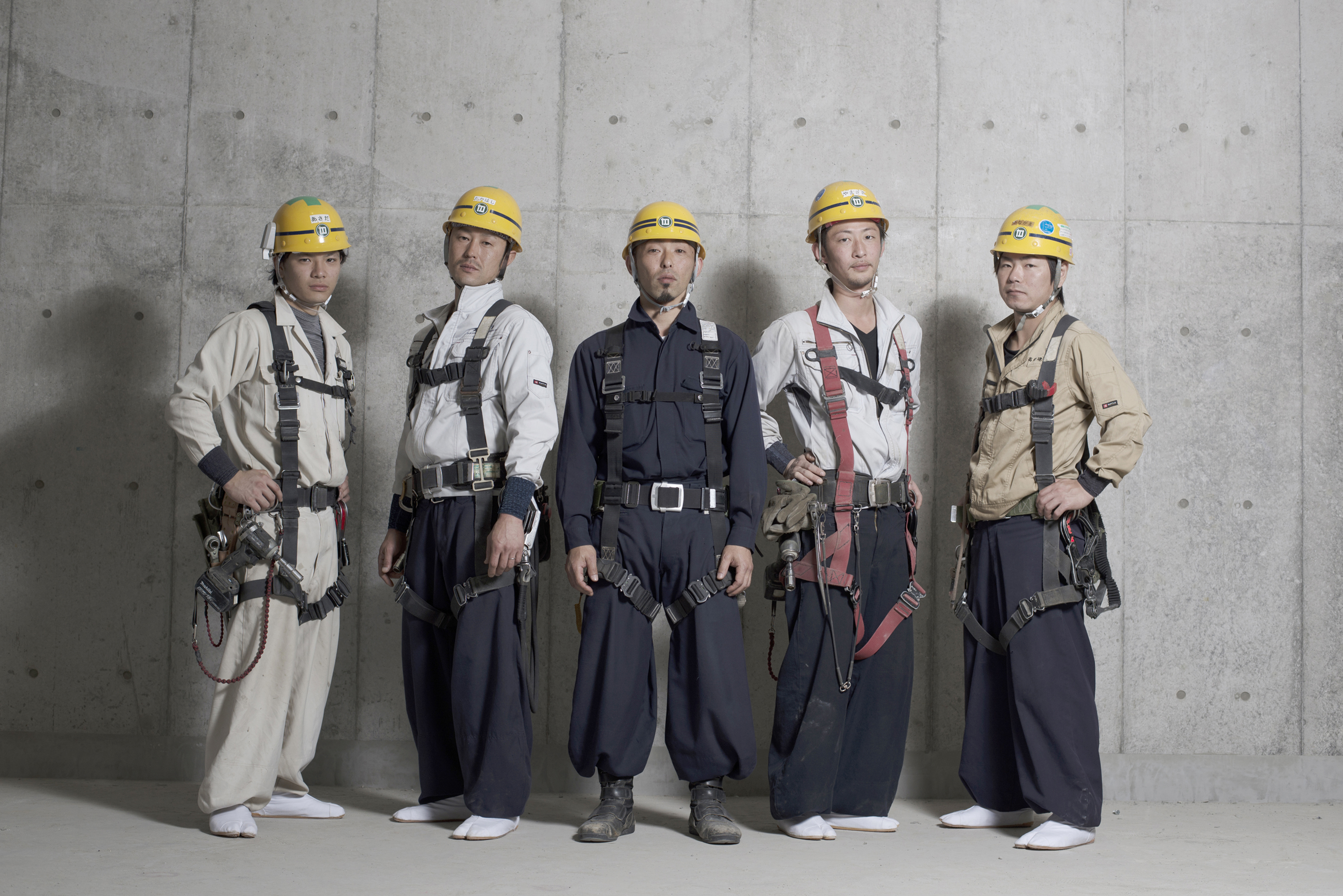
I’d see construction workers on the train — the exaggerated volume, the taper at the ankle, the way the fabric moved when they walked.
One day, I asked them where I could buy their pants.
They smiled:
“It’s work uniform. You cannot buy.”
I searched for months but couldn’t find a contemporary version for everyday life.
So I made myself a promise:

Years later, that promise became part of Finix.
Reinterpreting Tobi Pants for Tropical Singapore: A Modern Asian Fashion Approach

Our ARIAKE Tobi Pants (left image) and FREEDOM Harem Joggers (right image) were never about replication.
They were about translation.
We retained the architectural volume but adapted it for:

-
Tropical-friendly fabrics (above images: Tencel and Viscose-linen blends are lightweight and breathable, ideal for warm climates and seasons)
-
Lightweight, breathable construction
-
Contemporary proportions
-
A high-waisted silhouette enhanced with
-
a modern obi belt

The obi detail creates structure at the waist while allowing fluidity through the leg — definition without rigidity.
The result: wide-leg Japanese-inspired pants designed for tropical urban living, resort holidays, and everyday movement.

Not costume.
Not trend-driven.
But contemporary Asian design made wearable.
Why Japanese-Inspired Silhouettes Are Rising in Modern Asian Fashion

As Western fast fashion becomes saturated and homogenised, there is renewed appetite for silhouettes that feel rooted and intentional.
Japanese/Asian-inspired clothing was never mass-marketed to exhaustion.
It retained proportion.
It retained philosophy.
It retained space.
Tobi pants are not just a construction uniform.
They represent a recalibration — a reminder that modernity does not belong to one geography.

Designing Japanese-inspired clothing in Singapore is not imitation.
It is reinterpretation for our climate, culture, and contemporary Asian identity.
Sometimes inspiration doesn’t begin on a runway.
Sometimes it begins on a train — watching workers in motion.